Cotton is the natural fibre of vegetable origin. It is considered as King of the Textile Fibres. It is composed of cellulose. Each fibre is made up of 20-30 layers of cellulose coiled on a neat series of natural springs. The cellulose is arranged in a way that gives cotton fibres high strength, durability and absorbency.
Cellulose is one of the main constituent of the cotton fibre. in nature, plants utilize CO2 present in air & water & build up compounds containing C, H, and O in the presence of sunlight. This reaction is called photosynthesis. Glucose is one of the product formed this way.

Figure 1 Glucose

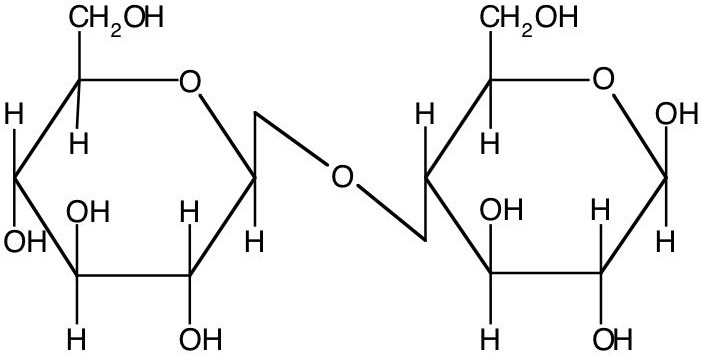
Figure 2 Cellobiose

Figure 3 Cellulose

Figure 4 Chemical structure of cotton fibre
When two glucose combine, cellobiose molecule is formed and when cellobiose molecules combine with each other, giant cellulose molecule is formed. These cellubiose molecules thus linked through strong oxygen bridge lengthwise. Also by comparatively weaker forces side way, in areas where these sideways forces are operating, crystalline region is formed and the places where these forces are not operating, amorphous region is formed.
|
| Figure 1 Glucose |
|
| Figure 2 Cellobiose |
|
| Figure 3 Cellulose |
|
| Figure 4 Chemical structure of cotton fibre |
When two glucose combine, cellobiose molecule is formed and when cellobiose molecules combine with each other, giant cellulose molecule is formed. These cellubiose molecules thus linked through strong oxygen bridge lengthwise. Also by comparatively weaker forces side way, in areas where these sideways forces are operating, crystalline region is formed and the places where these forces are not operating, amorphous region is formed.
Discover more from Online Textile Academy
Subscribe to get the latest posts sent to your email.